Crisis to Care Collaborative Hosts Community Listening Sessions
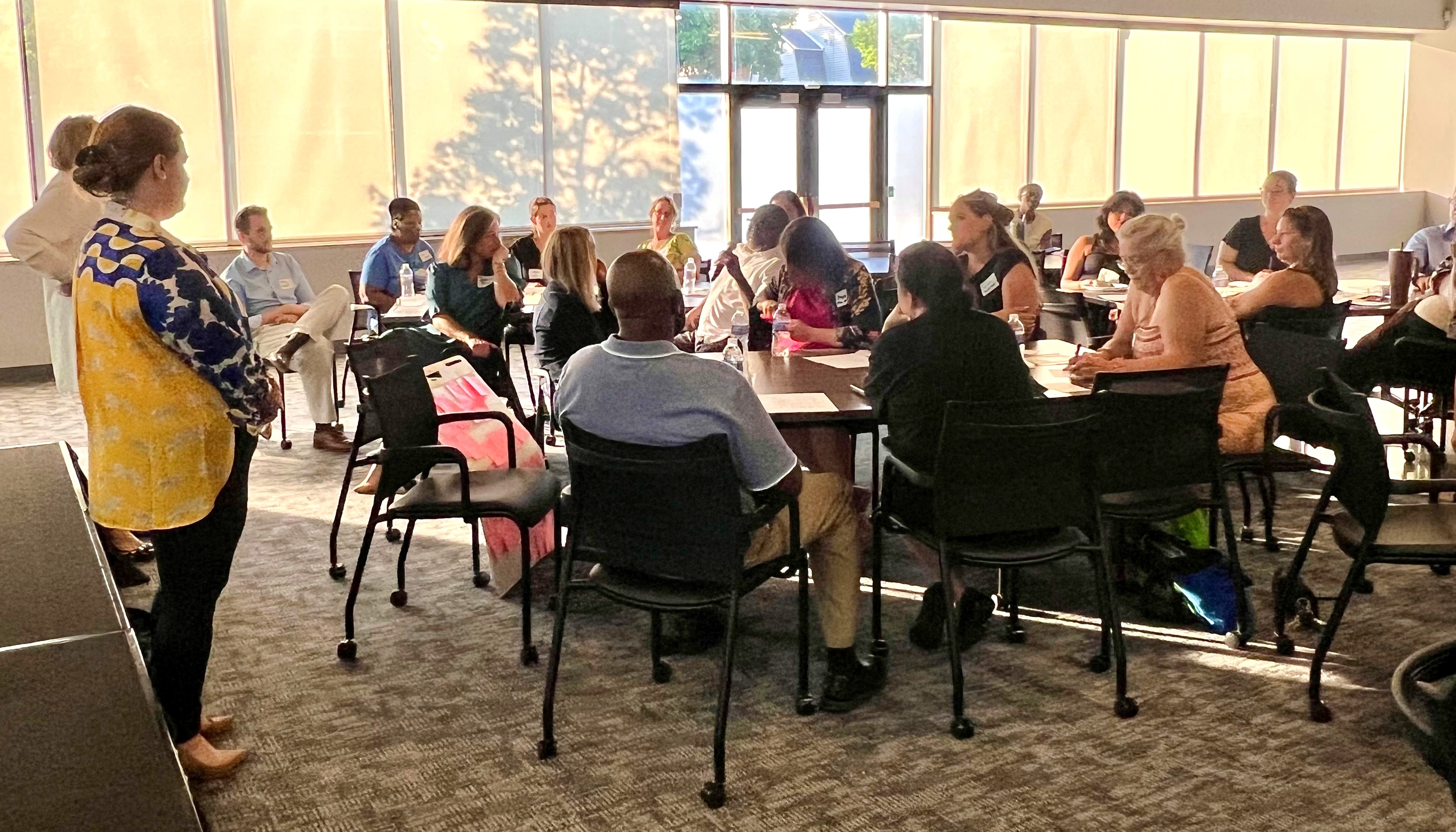
The Crisis to Care Collaborative hosted community listening sessions on August 13 and October 22, to hear directly from Erie County residents about what they want from a behavioral-health crisis response system. Nearly 100 community members participated, including individuals with lived experience and their families, service providers, and first responders.
At each session, attendees were divided into small groups and asked a series of questions that focused on three key components of a behavioral health crisis response system – Someone to Call, Someone to Respond, and Somewhere to Go.
Below are the core themes that emerged from the small group discussions. These insights will continue to guide the Crisis to Care Collaborative and its partners as we work to strengthen crisis response across Western New York.
Someone to Call: What the community needs when they reach out (911/988)
- Compassionate, calm communication from the first interaction; no transfers, long holds, or confusion.
- Mental-health–trained call takers able to triage effectively and route callers to the right resource (clinicians, peers, mobile teams).
- Clear next steps and someone who stays with the caller until support arrives.
- Equity and trust prioritized, with callers—wanting culturally responsive, trauma-informed engagement.
- Navigation support starting at the call, with a desire for a simpler, more unified entry point into services.
Someone to Respond: Who arrives to provide assistance
- Strong preference for mental-health professionals (clinicians, peers, social workers, co-responders) over police as primary responders.
- Police involvement only when necessary for immediate safety concerns.
- Respectful, trauma-informed, culturally aware response that feels non-threatening and relationship-building.
- Workforce shortages limit response times and quality; community stresses the need for better staffing, training, and retention to stabilize services
Somewhere to Go: Where people are taken for help
- Clear need for more crisis stabilization options beyond CPEP, which many describe as traumatic, overcrowded, and not appropriate for all needs.
- Strong support for crisis centers, respite models, and spaces that are calm, comfortable, and allow family involvement.
- Age-appropriate care, especially for youth and older adults, with expanded inpatient and stabilization capacity.
- Better coordination and warm handoffs so individuals aren’t left navigating complex systems alone after crisis episodes.
- Recognition that upstream supports (housing, benefits, school-based support, early intervention) reduce the likelihood and severity of crises.