Mental Health

Overview


Our vision for adults living with mental illnesses is that they are engaged and supported members of the community. 


We recognize advocacy at the local, state, and federal levels is essential to achieving meaningful change, so we partner with organizations from across the United States to raise awareness of critical mental health issues and to press for increased public funding.

Our Goals


Through our investments and advocacy, we hope to accomplish the following:


There is a strong, well-trained mental health workforce capable of meeting community need. 


Adults affected by mental illness and serious mental illness have access to high-quality medical treatment and support services that enhance their quality of life.


Mental health services are well funded by public and private investment.


The Lee Foundation distinguishes mental health conditions from intellectual disabilities, such as autism. We recognize the severity of these conditions but consider them to be outside our programmatic focus.  We have adopted the definition of mental illness used by the National Alliance on Mental Illness (NAMI):


A medical condition that disrupts a person's thinking, feeling, mood, ability to relate to others, and daily functioning. Serious mental illnesses include major depression, schizophrenia, bipolar disorder, obsessive-compulsive disorder (OCD), panic disorder, post-traumatic stress disorder (PTSD), and borderline personality disorder.


For additional information on mental illness, visit:

Join the Conversation 

Know the Warning Signs

National Alliance on Mental Illness

Navigating a Mental Health Crisis

National Suicide Prevention Lifeline


The Lee Foundation's mental health investments are primarily in Western New York. We are not a direct provider of mental health services. 


If you are in crisis, experiencing emotional distress, or worried about someone you know, call or text 988 or chat at 988lifeline.org/chat. This service is available 24 hours a day, 7 days a week.

Grant Highlight: BestResponse


Grantee: BestSelf

Project: BestResponse Intensive Crisis Stabilization Center


Issue: 

Every day, multiple times a day, calls from Buffalo and surrounding communities are placed to 911 involving someone who needs immediate assistance because of a mental health or substance use related crisis. Because of gaps in local services, these individuals may be unnecessarily taken to the hospital and wait for hours and even days just to be assessed. A comprehensive crisis response system increases the likelihood people in crisis are connected to the appropriate level of care best suited to help them recover. 


Solution:

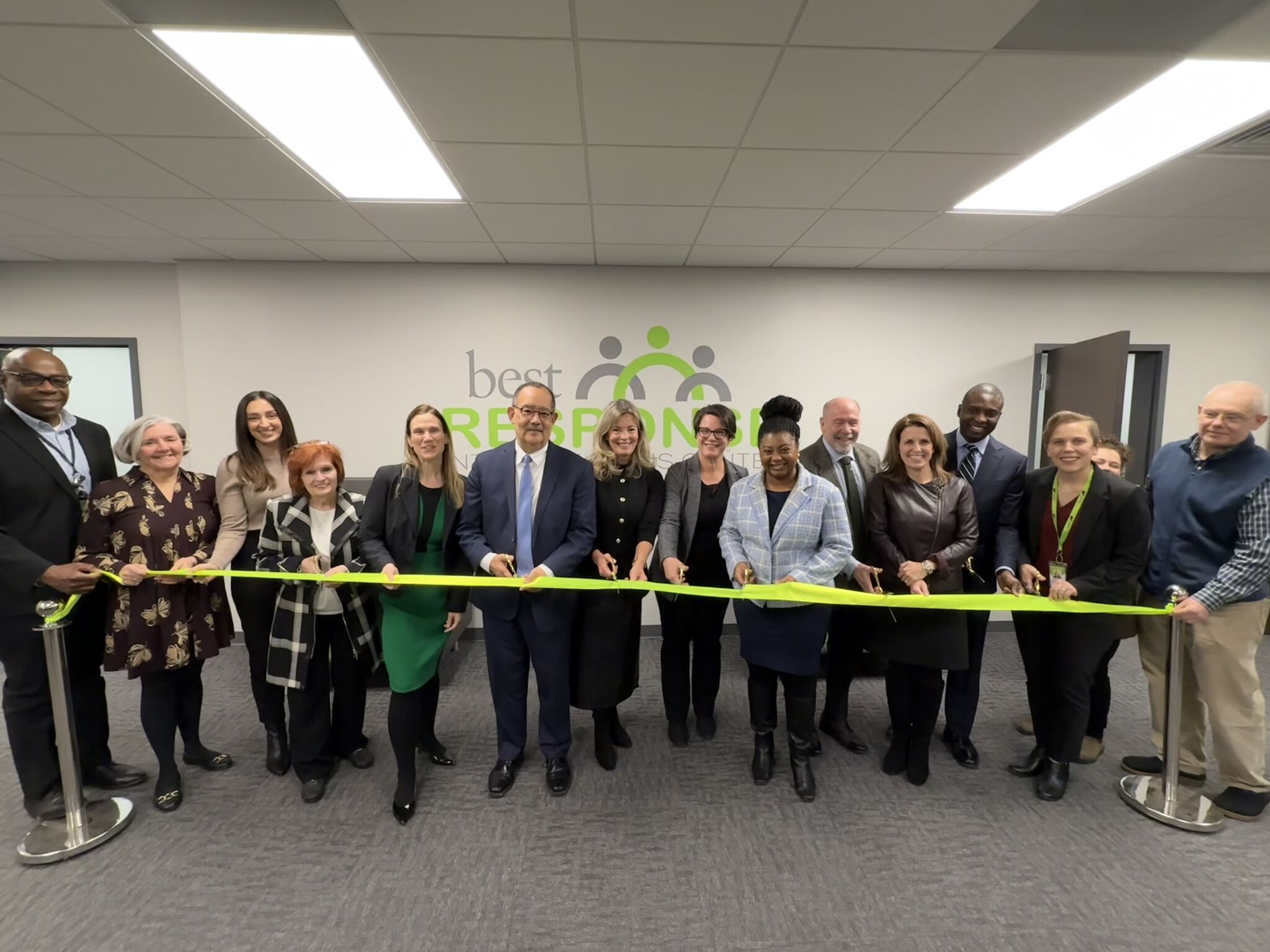
The Patrick P. Lee Foundation provided $250,000 to fund supplemental improvement projects at the BestResponse Intensive Crisis Center. The new 24/7 facility is designed to support individuals of all ages experiencing mental health or substance use crises.


Located at 430 Niagara Street in Buffalo, NY, BestResponse opened in January 2026. The Center offers a calm, supportive place where people can stay for up to 23 hours and 59 minutes. During that time, they receive immediate help from trained professionals through counseling, medication support, and connections to follow-up care, all in a welcoming, trauma-informed setting.


BestResponse serves as a hospital diversion program and fills a major gap in local behavioral health services. The Center provides a faster, more compassionate option to stabilize and connect people to the right level of care, while avoiding unnecessary psychiatric hospitalizations or inpatient rehab stays.


The Center is an integral part of a larger initiative called the Crisis to Care Collaborative, a first-of-its-kind collaboration, with leadership and funding from Patrick P. Lee Foundation and support from the Peter and Elizabeth C. Tower Foundation. With a goal of transforming the behavioral health crisis response system in Erie County, this groundbreaking initiative unites municipal and county government, law enforcement and emergency services, healthcare and behavioral health providers, advocates, and people with lived experience. To learn more about the initiative visit CrisisToCare.org.  

Grant Highlight - Project REACH

 
Grantee: Upstate Foundation 
Project: Project REACH
 
 Issue:
 
An estimated 122 million Americans – including 4 million in New York – live in a mental health shortage area, as designated by the U.S. Health Resources and Services Administration (HRSA). Although the workforce shortage existed prior to the pandemic, the recent increase in demand for mental health services has made the situation even more critical. In 2020, four in 10 adults in the United States reported symptoms of anxiety or depression – a significant increase from the previous year when one in 10 adults reported these symptoms. 
 
The Lee Foundation issued a request for proposals inviting nonprofit organizations from western and central New York to develop programs that implemented the clinical recommendations presented in Enhancing the capacity of the mental health and addiction workforce: A framework, by Anita Burgos, Ph.D., and Benjamin Miller, Psy.D. The policy paper, commissioned by the Lee Foundation and three other philanthropic partners, identifies actionable solutions to mitigate the current strain on the mental health system. Solutions include partnering with primary care physicians to ensure more timely interventions for patients needing mental health services. 
 
Solution:
 
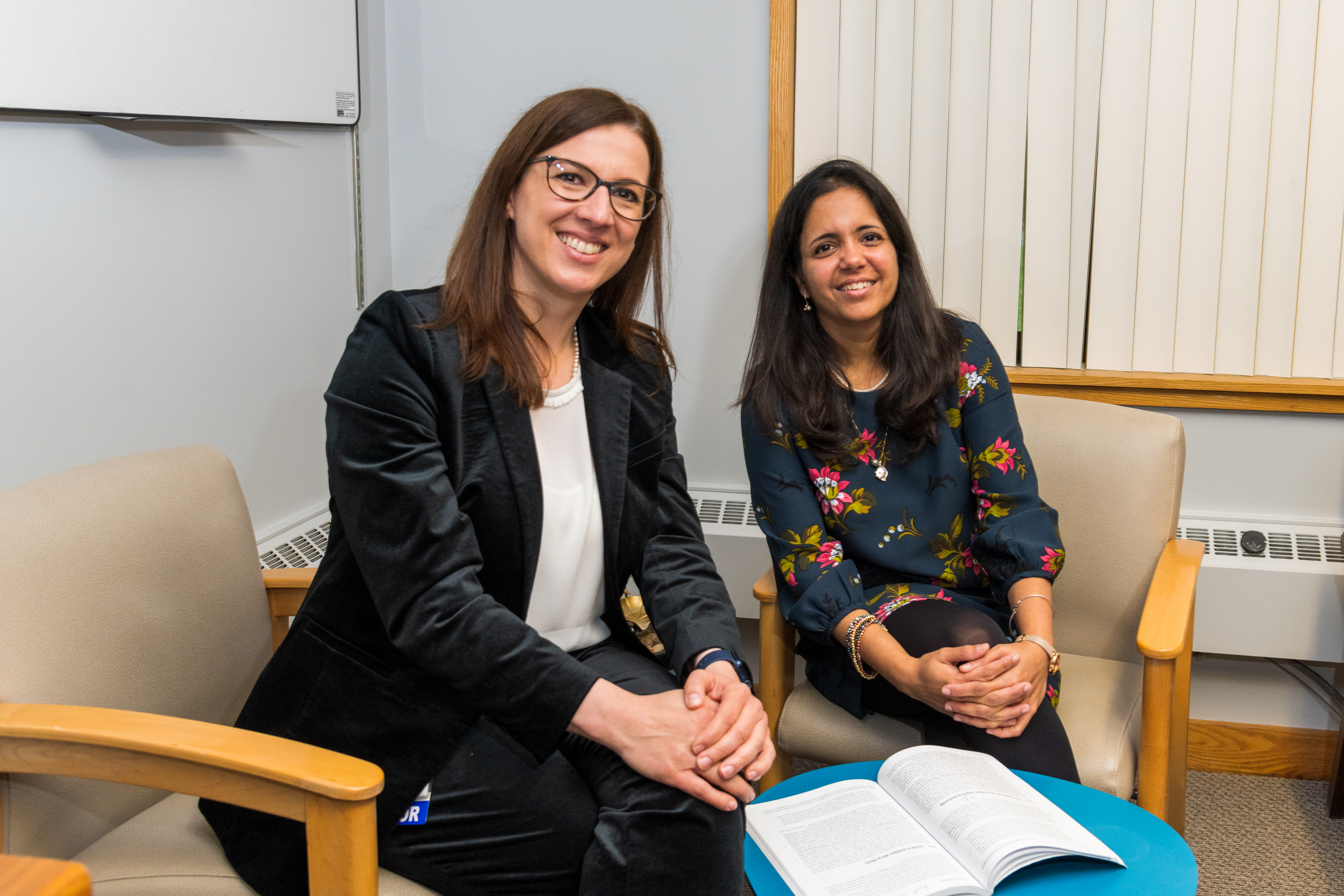
 Upstate Medical University developed intensive workshops and utilized the Project ECHO platform to increase the capacity of primary and family medicine providers in the eight counties of central New York to systematically screen, identify, treat, and appropriately refer patients suffering from mental health disorders. In Project ECHO, which uses video technology, Upstate experts function as the “hub” to deliver education, knowledge and best practices to the primary care clinicians in the region.
 
The goal is for primary providers to enhance their competencies in the treatment of mild to moderate mental health disorders and provide much needed mental health care in a timely and appropriate manner. Upstate will also provide information about appropriate referrals, particularly with complex situations, encourage comfort in a consultation model and enable the development of a collaborative care pathway between the providers and psychiatrists.
 
Testimonial from Project REACH participant:
 
“Increasing the awareness of treatment options for mental illness, within the primary care space, leads to a more holistic care approach that benefits the patient. This is what The Upstate Mental Health REACH Initiative has helped to foster. I can now, more confidently, initiate care for several common mental health conditions such as anxiety, depression, ADHD, insomnia, without the need for initial evaluation by Psychiatry. If I still feel that Psychiatry evaluation and treatment is warranted, I better know how to risk­ assess for conditions such as suicidality, and am able to then refer to the appropriate level of care. The Upstate Mental Health REACH Initiative is truly breaking down the silos of healthcare, and bridging a gap for patients in need.”

Grant Highlight: Recovery Options Made Easy (ROME)


Grantee: Recovery Options Made Easy (ROME)

Project: Kirsten A. Vincent Respite & Recovery Center


Issue:

The Centers for Disease Control reported that in late June 2020 40% of U.S. adults reported struggling with a mental health or substance abuse issue.  It was noted that this increase in the number of cases was directly due to the impact of Covid-19.  Many of those who are struggling do not know where to find help in their community so they present themselves at a hospital emergency room where it takes hours to evaluate them and determine if admission is necessary.  


The Western New York region lacks clinical and non-clinical options for individuals needing intensive supports but not requiring hospitalization. 


Solution:

Support community based solutions that will provide individuals experiencing a mental health crisis with the appropriate level of care they need while also reducing reliance on hospital emergency departments.  


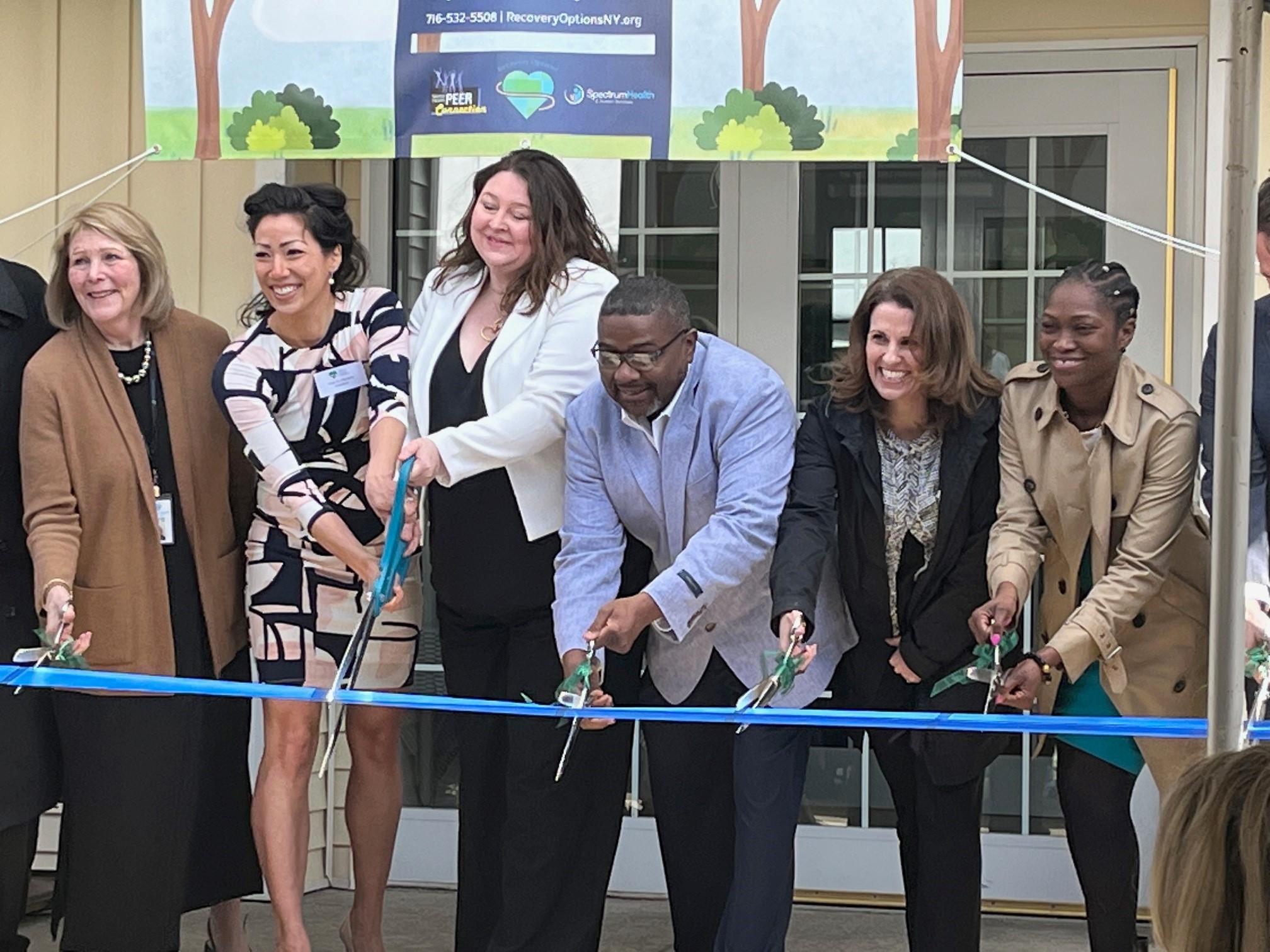
ROME's Respite & Recovery Center is the first-of-its-kind intensive respite and comprehensive recovery model in New York State offers recovery support across the continuum of care with internal services in tandem with external community programs. ROME, in collaboration with WNY Independent Living and Spectrum Health and Human Services, offers crisis stabilization and continued recovery in one location in downtown Buffalo, NY. The goal is to divert those with mental illness away from hospitals or the street and to a safe, supported environment. 


The Center offers varying levels of care (walk in, short term, or intensive respite) appropriate to the client's need. As a client's needs change, so can the level of care they receive. All services are voluntary for the individual and avoid re-traumatization, maintaining community independence for participants who can continue in jobs, school and community activities while accessing the support they need.  


About the grantee:

ROME, is a nonprofit supported housing and community support service agency organized in 1990. As a peer-run organization, it was developed and is operated by those with lived experience. The agency is committed to decreasing stigma by increasing awareness of mental health and substance use through information, education, and advocacy. To date, Recovery Options is geographically the largest peer-run agency within New York State, spanning 10+ counties and serving more than 8,000 annually. Intensive peer support programming provides a combined 96% hospital diversion rate through crisis response programming, permanent supported housing, recovery centers, engagement centers, peer bridging, medically-integrated programming, and HCBS services. 


Grant Highlight - INTERCEPT


Grantee: University of Rochester Medical Center

Project: INTERCEPT Clinical High-Risk Program


Issue:

Serious mental illnesses such as schizophrenia and related conditions occur in 1 out of 100 people, on average. To put that in perspective, that’s more than 700 fans at every sold-out Bills game.


Characterized by symptoms such as hearing non-existent voices, unusual beliefs, difficulties with attention, and hard-to-comprehend speech – these conditions are associated with high rates of unemployment, substance abuse, depression, and suicide.


These diseases are also among the costliest and most disabling, due to treatment expenses and lost income for patients and family members. Patient lifespans are 15 to 30 years shorter as well. Yet, unlike other serious illnesses (e.g., cancer, heart disease), outcomes have not improved over the past 50 years, lifespans have not risen, and only a small percentage can access the best treatments.


In Western and Central New York, investment in solutions has lagged the downstate region. For example, the state Office of Mental Health (OMH) funds two major research centers devoted to schizophrenia and related conditions: The New York State Psychiatric Institute, in Manhattan, and the Nathan Kline Institute, in Rockland County. Until recently, there were five clinics in the state focused on preventing these illnesses – and none were outside New York City.

Solution:

Interventions for Changes in Emotions, Perception, and Thinking (INTERCEPT) is a unique mental health program for young people aged 15 to 28. Designed to address new and distressing symptoms in their early stages, it offers opportunities to help prevent progression to more serious conditions.


Through the program, young people can learn to identify, monitor, and manage changes in behavior and mental health. Treatment components are tailored to the individual and can include individual and group therapy, problem solving, social skills training, goal planning, and more. Structured to minimize disruptions to school, work, and relationships, INTERCEPT can help young people make “course corrections” on their journey to mental wellness. 


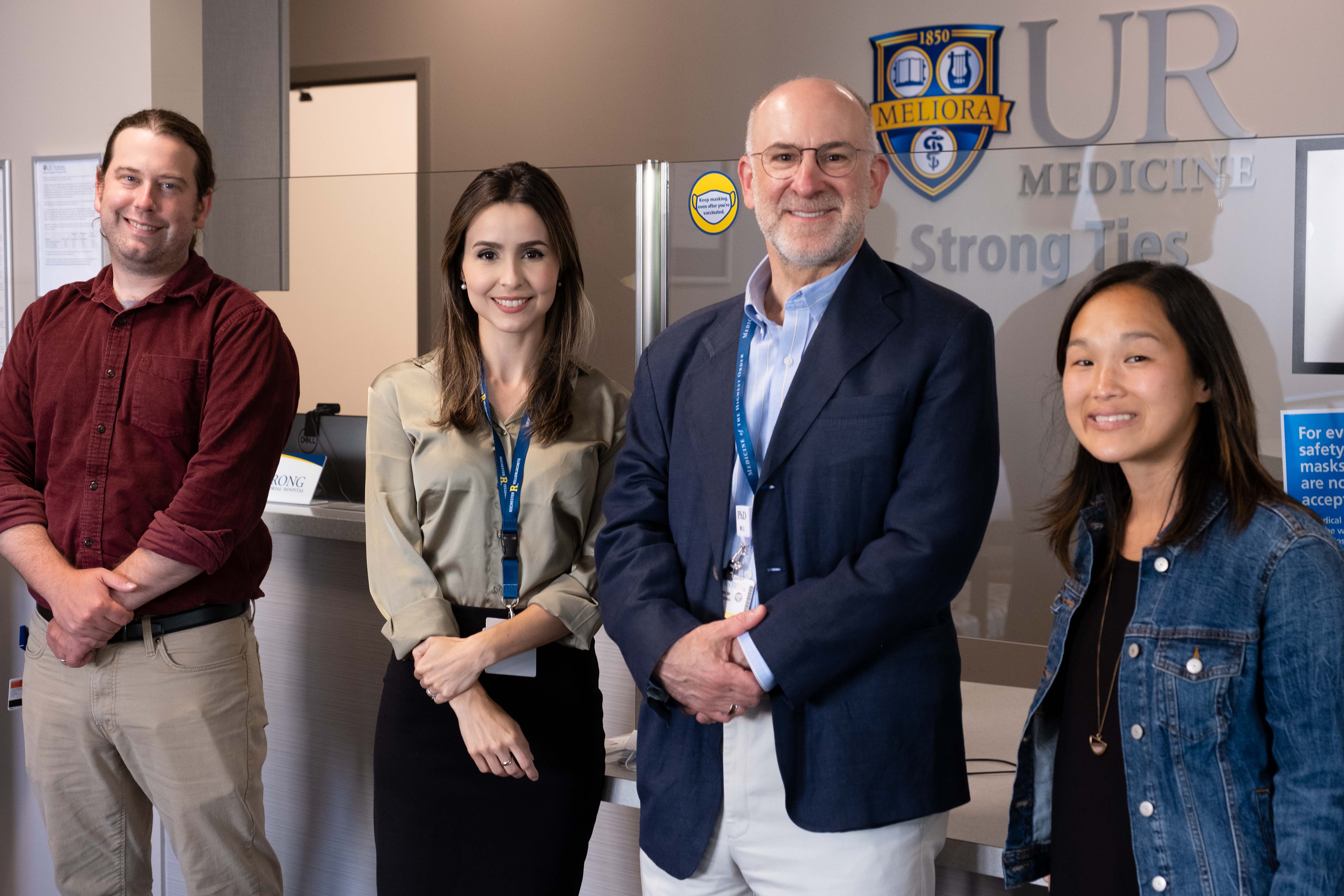
INTERCEPT is strategically based at the University of Rochester Medical Center to provide a central place for Western and Central New Yorkers to access these vital services. INTERCEPT uses a comprehensive treatment approach that involves family members and focuses on keeping people in school, work and other valued roles by preventing the onset of an episode when possible and improving outcomes when not.